
Community & Events · 4 min read · ReadON Arabia · 22 November 2026
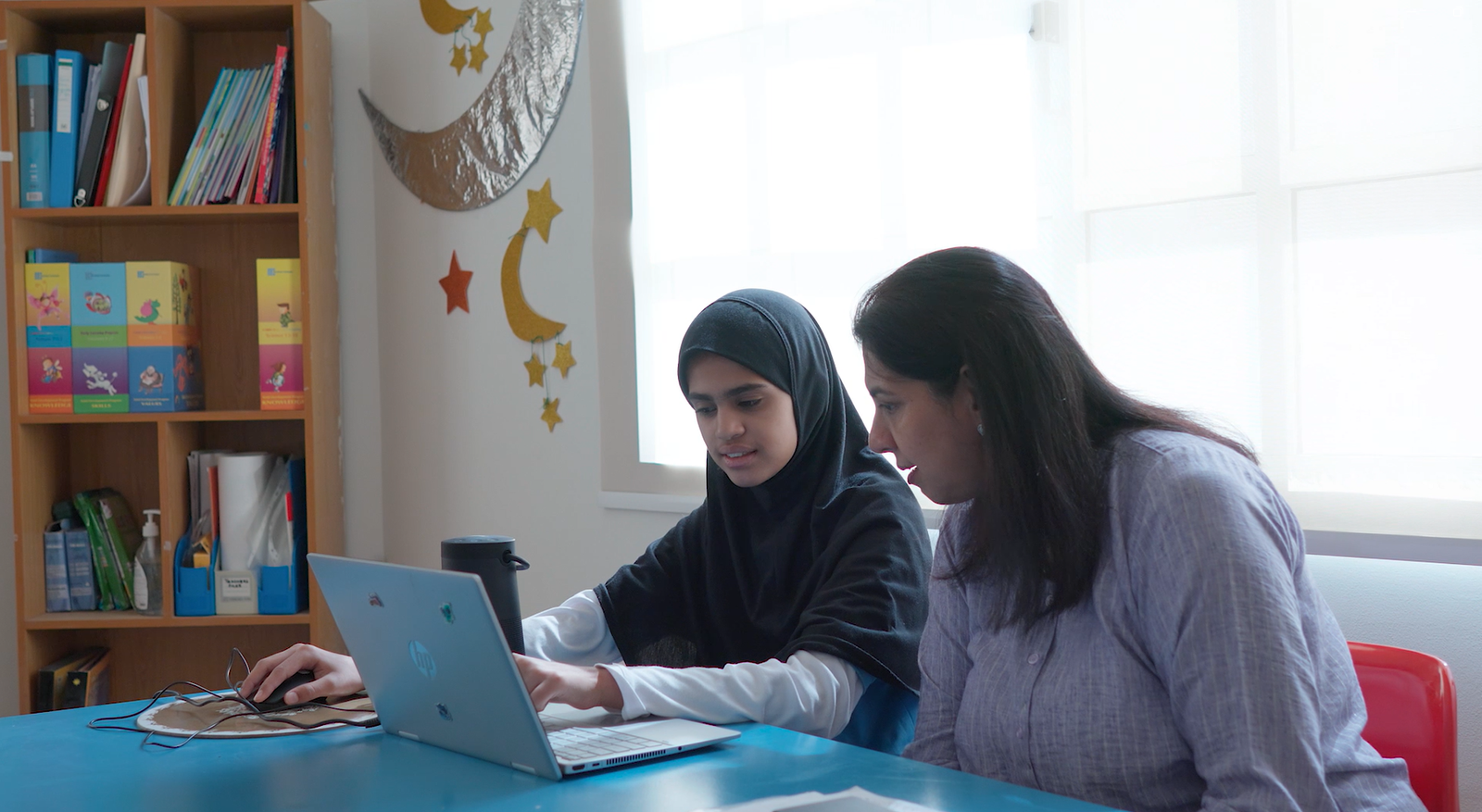
A Sneha therapist described a child who initially needed help with the mouse, computer navigation and repeating words and letters:
“Initially, the child struggled with mouse handling, computer navigation and repeating words and letters. Over time, with consistent practice and guidance, she is now able to drag the mouse independently, without any prompt, and practise every game with a smile on her face.”
— Sneha therapist
That account gives a practical glimpse of the ReadON programme at Sneha Recreation Centre in Bahrain. Five children participated, with support from the Indian Ladies Association (ILA), Sneha’s team and ReadON Arabia. The activities took place in a familiar setting, alongside adults who knew the children.
People beside the screen
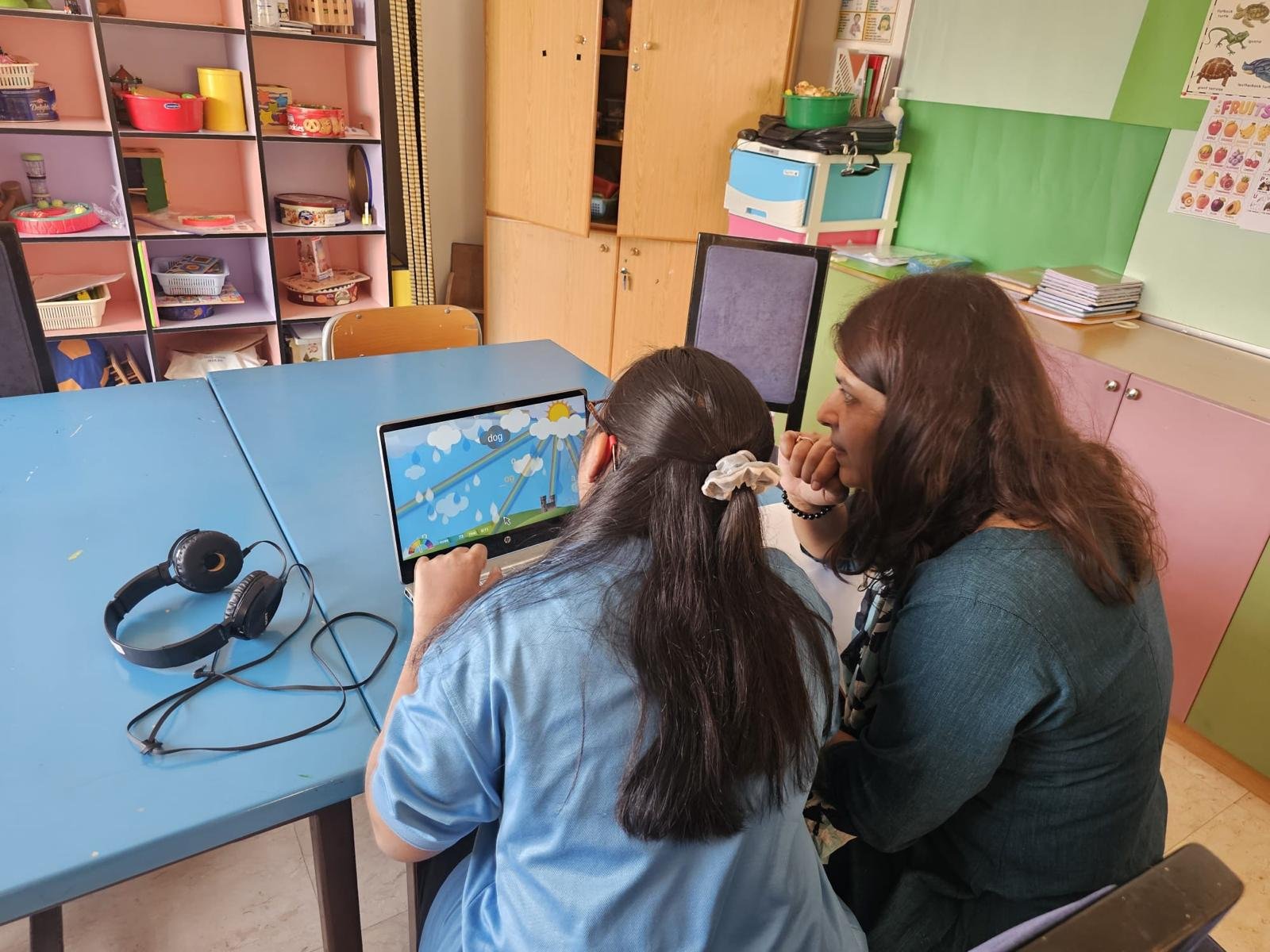
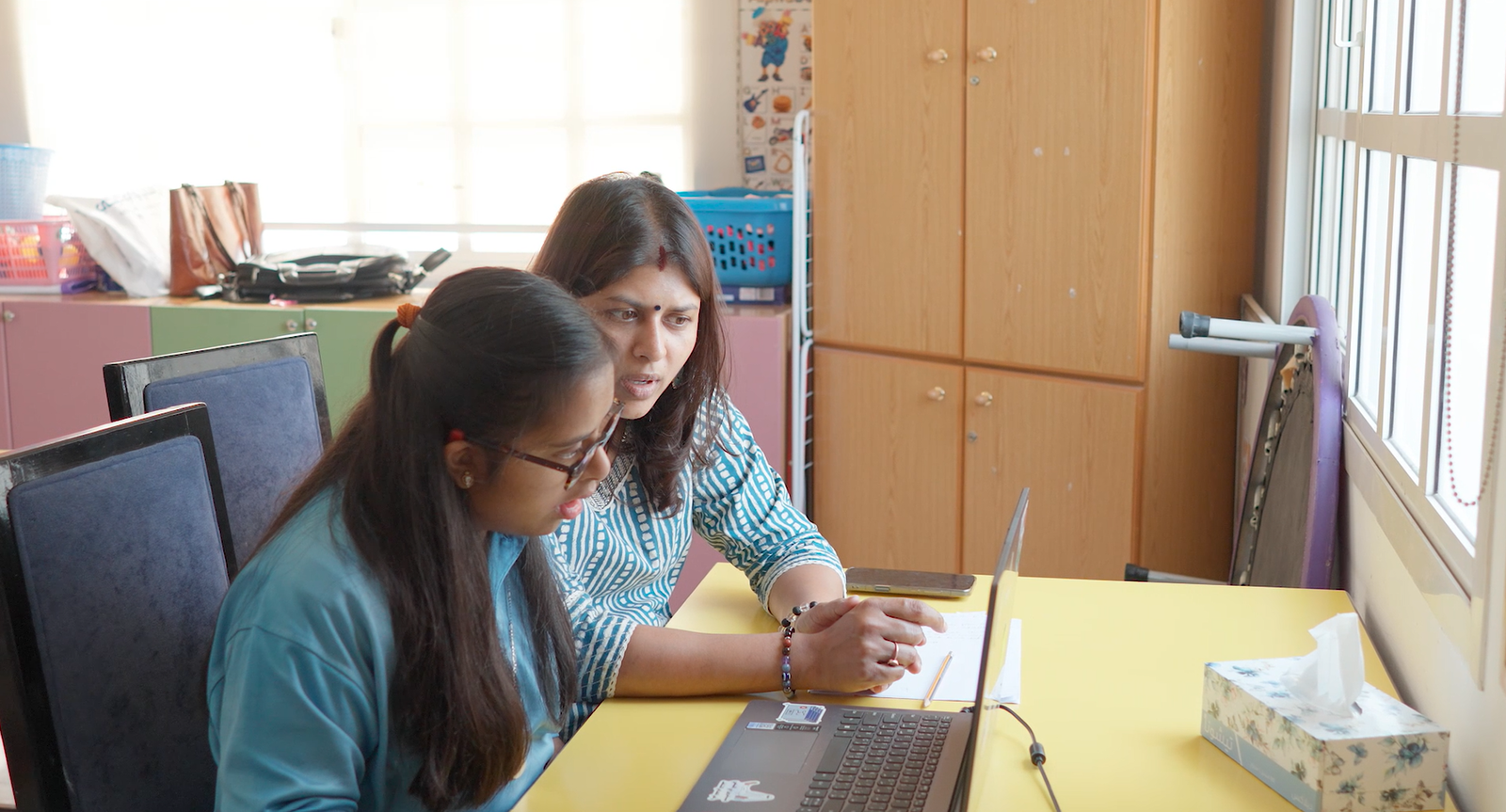
ReadON uses structured, game-based computer activities for cognitive practice. At Sneha, the photographs show laptops and a mouse on activity tables, with an adult sitting alongside each child. The equipment was part of the session; so was the person helping the child participate.
Sneha’s teachers, coordinators and volunteers guided activities and shared what they noticed. Their knowledge of the children shaped the support they offered during the sessions.
Walton, from ReadON Arabia, trained and supported the team, observed staff-led delivery and personally conducted sessions with some children. His role included both helping the adults become familiar with the programme and working directly with participants.
What the team noticed
Another reflection focused on a child’s participation in activities:
“The child has become more patient, and he is able to sit and engage in any activity we are giving.”
— Sneha therapist
A therapist also described reading and laptop use:
“The child shows significant improvement in his reading abilities. He is reading three-letter words independently, which is a positive step in his reading ability. He also shows improvement in fine motor skills, particularly when handling the laptop.”
— Sneha therapist
Some feedback came from families and was passed on by staff. As one Sneha therapist reported:
“The parents mention that there is a lot of improvement in his focus and attention.”
— Sneha therapist, relaying parent feedback
These are staff observations and parent feedback relayed by staff from a five-child community programme. They are not measured evidence of effectiveness and do not establish that ReadON alone caused the changes described.
Certificates, cake and shared pride
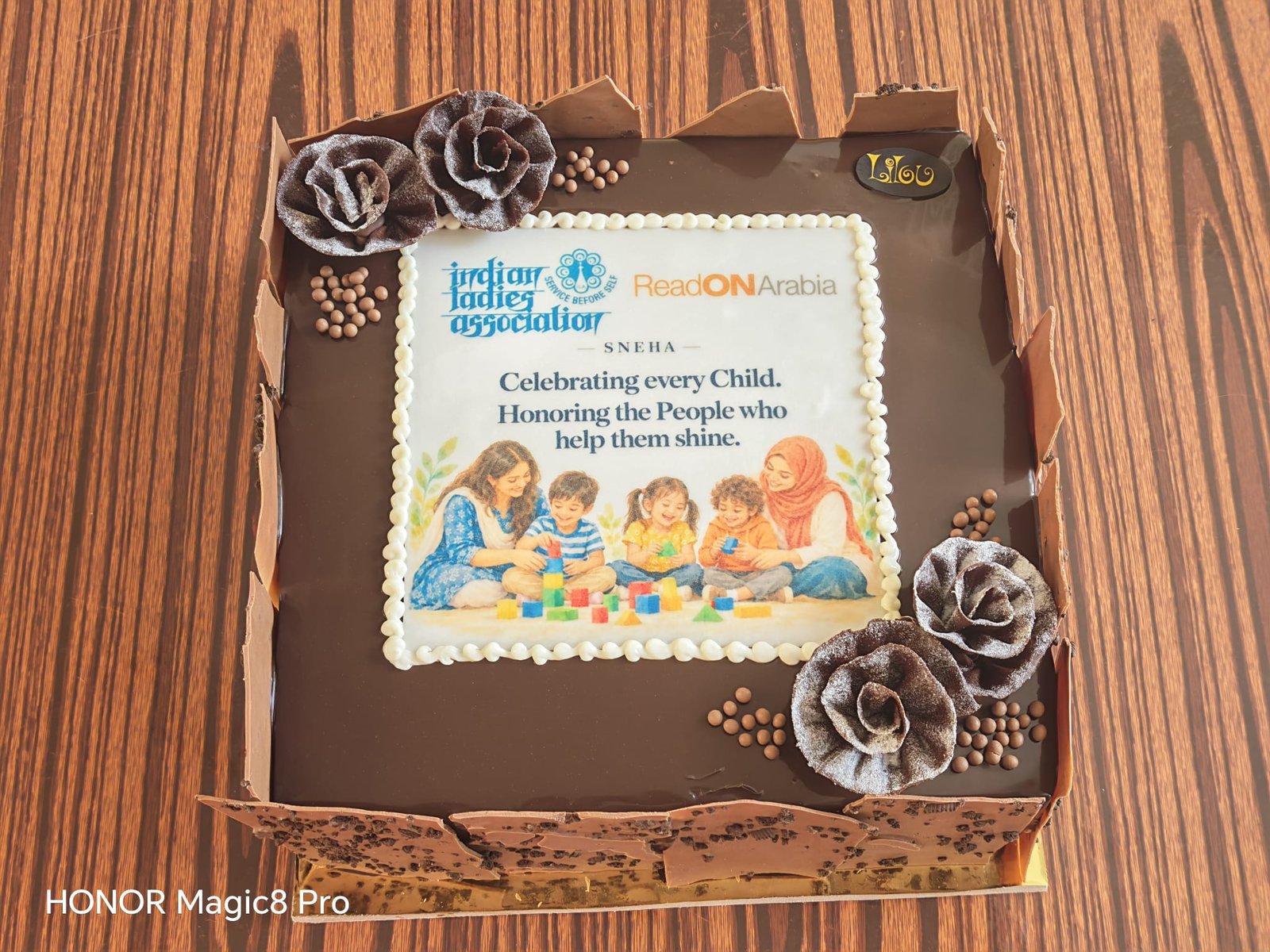
The programme included a shared celebration, with certificates and a cake recognising the children’s participation and the people who supported them.
In a reflection recorded as a paraphrase, a Sneha therapist described children finishing their activities and proudly showing their scores to the therapists. That small moment of sharing belongs alongside the certificates: children taking pleasure in what they had done, with familiar adults there to listen.
A joint review with ILA and Sneha could explore what the children enjoyed, what staff found workable and what support would help. Any further phase remains a discussion, not a confirmed plan.
Centres interested in how supervised sessions are organised can contact the ReadON Arabia team.
← Back to the journal